Services
Trade Show General Contractor Services
Trade Show General Contractor Services in Oklahoma City is planned around scope ownership, venue timing, freight movement, labor, graphics, AV, and the field decisions that have to hold once move-in starts.
For Trade Show General Contractor Services, the strongest scope keeps design, rentals, labor, technical support, and closeout connected so the client is not left coordinating the hard parts alone.
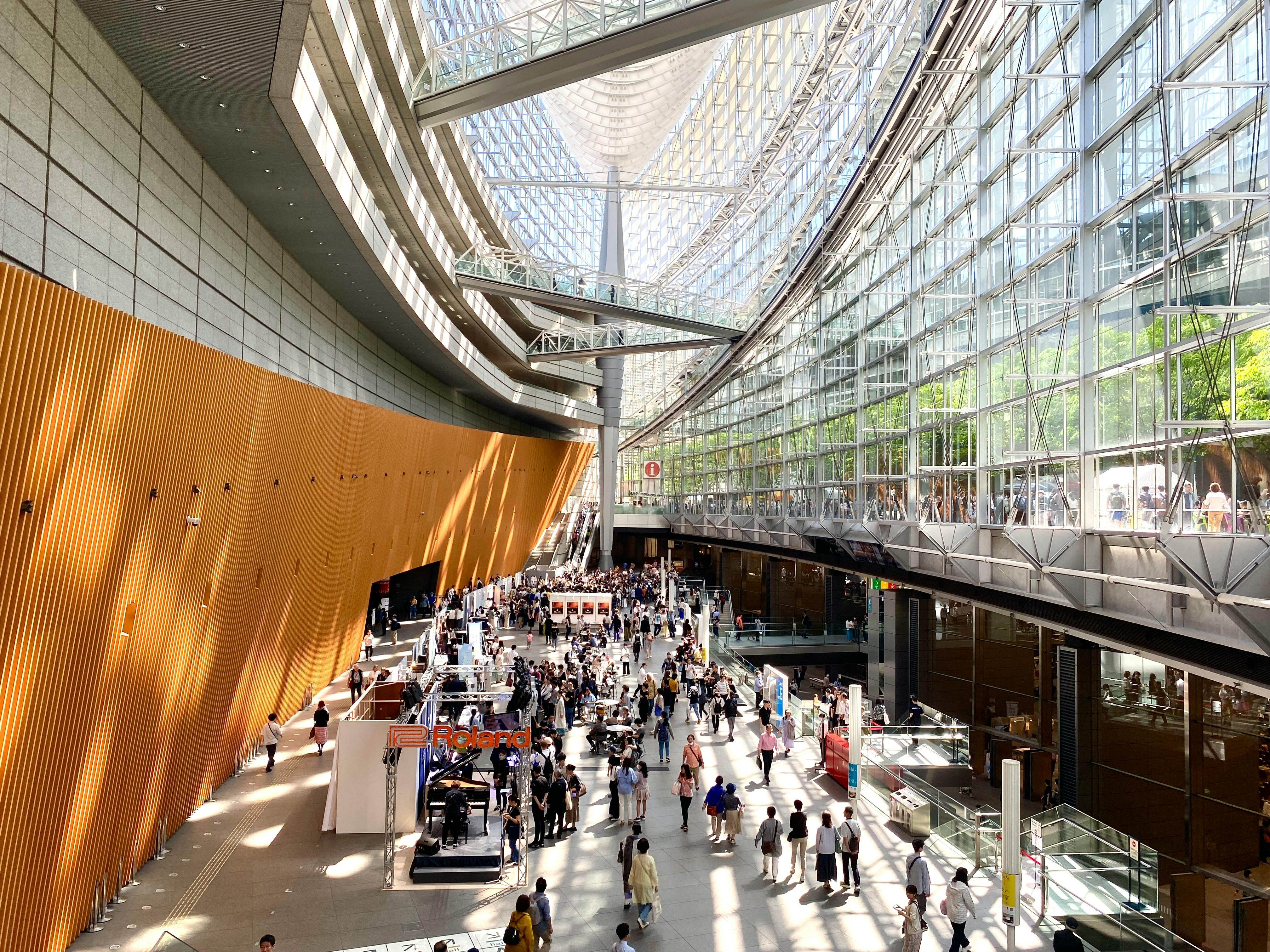
Trade Show General Contractor Services planning priorities
Trade Show General Contractor Services planning starts by naming the priorities that will affect the room before the schedule gets tight.
Those priorities give the team a clearer way to compare scope, budget, timing, and show-site support without losing the practical details.
- Exhibitor rules
- Service governance
- Decorator desk
- Venue alignment
- Floor governance
Trade Show General Contractor Services exhibitor rules and service governance
General contracting matters when the event needs one operating system for service orders, exhibitor guidance, timing rules, and the questions that always surface once move-in starts. The floor works better when those rules are visible and enforced before they become last-minute arguments.
That gives this section a different job than drayage or field supervision. It is about governance, not simply execution.
Trade Show General Contractor Services decorator desks, approvals, and venue alignment
The service desk, the approval trail, and the venue relationship all sit inside general contracting. Exhibitors need a clear answer on what is included, what requires approval, and where requests go when the room gets busy.
A strong contractor section shows that the hall has an operating backbone instead of a pile of disconnected vendors.
Trade Show General Contractor Services floor governance after doors open
General contractor responsibility does not end at install. Once the floor opens, the same governance structure has to support exhibitor needs, service exceptions, and the quiet corrections that keep the room from drifting.
That is what makes the show feel managed instead of merely assembled.
Use one operating structure for exhibitor services, approvals, and floor rules.
Keep decorator and venue decisions aligned so exhibitors get one coherent answer.
Carry the governance model into live show hours instead of ending it at move-in.
Trade Show General Contractor Services service desk records and follow-up packets
Service desk records matter because the next exhibitor question is almost always about what happened before the current shift. A good packet should show forms, approvals, and any exceptions in a way the next desk can trust immediately.
That follow-up record keeps the hall from losing its own memory between crews.
Oklahoma City trade show market
Trade shows in Oklahoma City move fast. Major venues book out months in advance, freight windows run tight, and the exhibitors who win their weeks are the ones who arrive with a plan already in hand.
The attendees vary by show — some weeks draw regional operators, others pull international buyers in for a single conference — but the floor mechanics stay consistent. Every booth needs graphics production, show services, labor calls, and a plan for the specific building it's landing in.
The resort is five minutes from downtown Oklahoma City and about 20 minutes from the airport — a useful reference point when sizing a project.
The official Hilton property sections say Embassy Suites Norman sits directly off I-35, about 21 miles south of Oklahoma City, with 50,000 square feet of meeting space.
What's included in the project scope
A full engagement covers scope development, fabrication or rental, graphics, show services, logistics, and on-site execution from move-in through dismantle.
Individual projects layer or remove items based on scope.
Good execution comes from keeping the team small and the handoffs short. Every extra vendor in the chain adds a communication layer and a place where details get lost.
Multi-show programs add asset management: storage, refurbishment, graphic swaps, and scheduled re-kitting so the booth rolls cleanly from Oklahoma City to the next city on the calendar.
Scope boundary is as important as scope inclusion. Show organizer fees, client-side staff costs, and any tools the client already owns are handled outside the engagement. Defining that boundary up front prevents billing surprises later.
Who handles what during the Oklahoma City install window
Most of what goes wrong on a Oklahoma City install traces back to assumptions about labor. Staying inside the venue's published rules for the specific show prevents it.
Practically, that means pulling the current exhibitor manual for every show and confirming a handful of items in writing: which tasks the venue's house crews cover, which tasks the show's general contractor covers, and what an exhibitor or their appointed contractor can handle without escalation.
Where Oklahoma City shows actually happen
The building matters more than almost anything else in a trade show plan. A few Oklahoma City venues carry most of the calendar.
A venue walk — either in person or via the published floor plan — is the step that reveals constraints no spec sheet shows. Column spacing, real ceiling height at the grid point, and dock access shape what's actually buildable.
Ambassador Hotel Oklahoma City, Autograph Collection. The Ambassador Hotel Oklahoma City is an Autograph Collection property connected to the Oklahoma City Convention Center via skybridge, positioning it as a natural headquarters hotel.
The hotel provides meeting rooms, ballroom space, and event facilities for conferences, sponsor receptions, and executive programs tied to the convention center district.
Oklahoma State Fair Park: oklahoma State Fair Park is the overarching campus name for the OKC Fairgrounds complex, encompassing Bennett Event Center, the Pavilion, Oklahoma Expo Hall, Centennial Building, OG&E Coliseum, and Jim Norick Arena.
From first call to strike
First step on any project is pinning down the show, the floor plan, the deadlines, and what success actually looks like. Everything downstream hinges on those answers.
Venue coordination comes next. That means pulling the current exhibitor manual, confirming dock and freight windows, submitting rigging approvals where needed, and placing utility orders against the building's published specs.
With venue details locked, production runs. Build, print, AV integration, rentals, and the on-site lead's playbook all come together in this phase.
The install phase has one owner on the floor. That person handles the labor calls, the graphics questions, the sequence adjustments, and the daily update.
During show hours, the booth is a live operating space. The on-site team handles repairs, sponsor requests, lead-capture issues, and any venue questions so the client's staff can focus on conversations.
After the show, strike runs against the venue's posted window, and a same-day debrief captures what held and what needs to change before the next date.
Budget and timeline
Pricing is driven by real line items: fabrication or rental, graphics, show services, labor, freight, and travel where it applies. Round numbers without that breakdown usually hide something.
The levers that matter: build path (custom, rental, or hybrid), footprint, venue service fees, graphics, freight, and supervision days. A 10x10 turnkey rental and a 30x50 custom island with a double deck are entirely different projects.
A clean schedule starts 4 to 5 months out for custom work and 2 to 3 months for rentals. Shorter lead times are workable but push rush premiums and limit material choices.
Outcomes we optimize for
A successful project in Oklahoma City looks like a booth that lands on time, passes venue inspection on the first walk, runs without incident through show hours, and ships out the same day it strikes.
Exhibitors who measure programs seriously track leads, floor-booked meetings, and post-show pipeline. The build and the install are upstream inputs to those KPIs.
Client teams sometimes want the booth to carry the pipeline on its own, but the best-performing programs treat the booth as a platform and put real operators on it. On-floor conversation discipline moves the KPIs more than any scenic decision.
The advantage of a local Oklahoma City team
Trade Show Services operates out of Oklahoma City with a full in-house production shop. Custom fabrication, rental inventory, graphics production, and show-site labor live under one roof.
The difference from a national vendor shows up at the dock. A local team with an in-house shop can solve most install-day problems in the time it takes to drive back to the building with the right part.
Over a multi-show calendar, the compound value of a single team shows up in fewer surprises. The second install is faster than the first, the third is faster than the second, and by the fourth the project runs on memory and documentation rather than first-principles planning.
Trade Show General Contractor Services planning questions
Q: Do you work at Frontier City Theme Park?
Yes. Frontier City is a western-themed amusement park in northeast Oklahoma City that offers group events, corporate buyouts, and private party packages.
Q: How much lead time is ideal?
Custom builds run best with 16 to 20 weeks of lead time. Rentals take 8 to 12 weeks.
Q: What information kicks off a project?
The show, the venue, the booth number, the dates, and a target budget range. From those, an initial scope and a realistic cost come back within a few days.
Q: Who runs the booth on-site?
One named show-site lead runs the install, the show hours, and the strike. That person carries the floor plan and the punch list from crates to doors and reports up once a day.
Q: Can the booth travel to the next city on our calendar?
Same structure, swappable graphics, standard crates.
Q: What happens if something breaks during show hours?
The on-site lead handles it.
Trade Show General Contractor Services planning frame
Trade Show General Contractor Services in Oklahoma City is planned around scope ownership, venue timing, freight movement, labor, graphics, AV, and the field decisions that have to hold once move-in starts.
For Trade Show General Contractor Services, the strongest scope keeps design, rentals, labor, technical support, and closeout connected so the client is not left coordinating the hard parts alone.
Trade Show General Contractor Services operating details
The first decisions should name what has to be built or rented, who owns approvals, what the venue needs early, and which parts of the plan can still change without creating avoidable rework.
That keeps the project practical for Oklahoma City metro teams working across convention spaces, fairgrounds buildings, hotels, museums, arenas, and regional meeting corridors.
Trade Show General Contractor Services closeout and repeat value
Closeout should leave the client with a clean record of what fit the room, what slowed the work, what should be refreshed, and what can be repeated on the next date.
That record is what turns one successful event into a stronger calendar instead of forcing the team to solve the same problems again.