About
A project-led trade show partner for Oklahoma City and the full metro venue map.
We built this company around the work that actually keeps exhibits, conferences, sponsor activations, and venue programs on track: scope control, venue coordination, labor timing, technical integration, logistics, and show-site leadership.
The result is a trade show partner organized around delivery, where the working plan is clear enough to survive the real schedule and the real venue rules.
That focus matters in Oklahoma City because the metro is not one simple event environment. Downtown, the fairgrounds, Norman, Midwest City, and the south riverfront all reward different decisions.
- turnkey trade show execution
- general-contractor and project-led delivery
- booth design, fabrication, installation, and dismantle
- AV, lighting, LED, and technical production
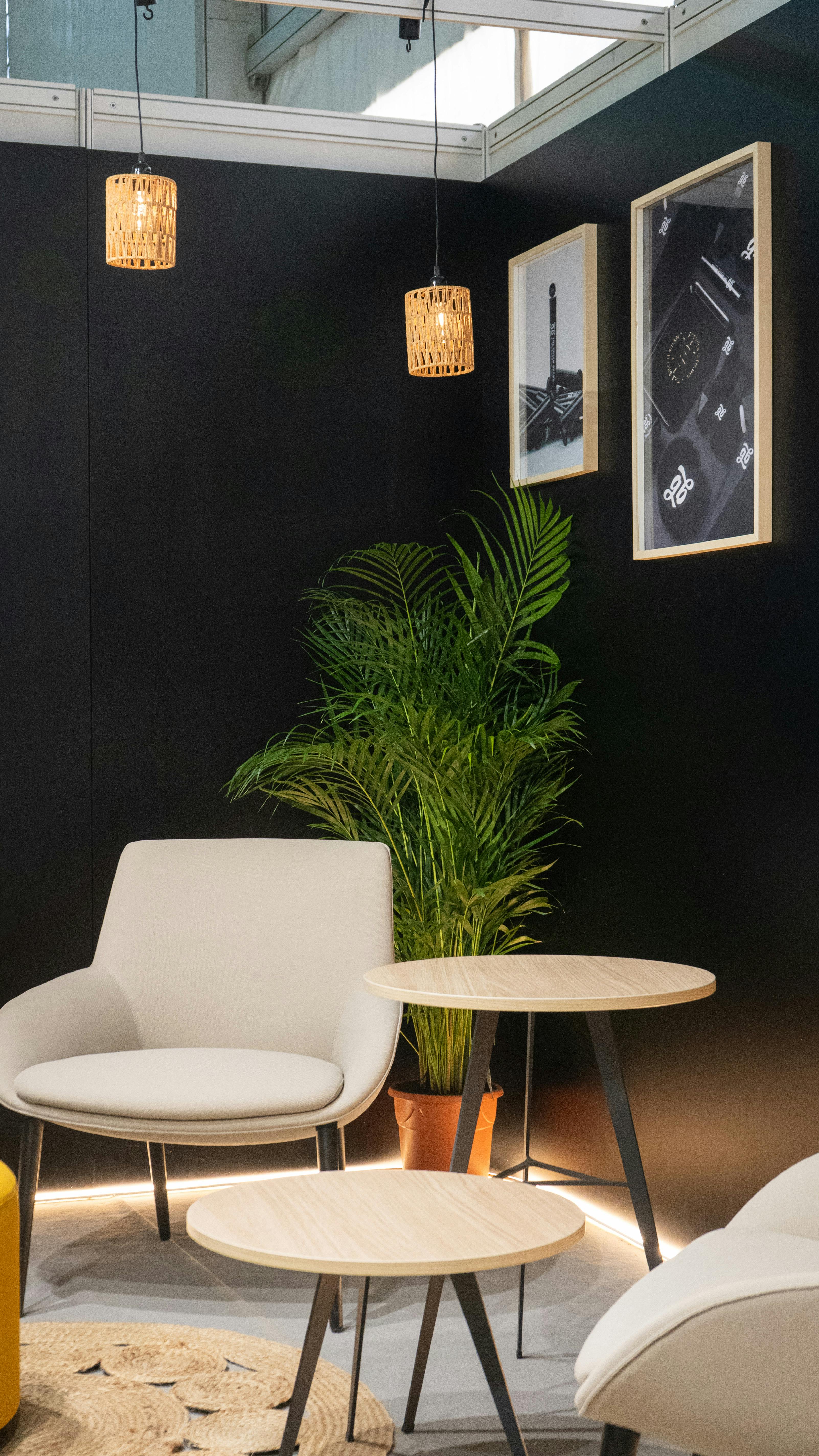
Built as a project-led trade show partner
Trade Show Services of Oklahoma City is built to keep the moving parts of a trade show or conference program pointed in the same direction. That means turnkey execution, exhibitor-appointed-contractor coordination, booth design and fabrication, installation and dismantle, AV and technical production, logistics, and venue support all stay inside one delivery framework instead of drifting into separate vendor silos.
That structure matters because the hardest problems in this market are rarely creative problems alone. They are timing problems, access problems, approval problems, and handoff problems. When the team owns those details together, the event can stay calm even when the schedule tightens or the venue changes the order of operations.
We build around the show date, the target venue or corridor, the footprint, the audience experience, and the operational risks that could change the outcome. Once those facts are clear, the service mix becomes much easier to shape and much harder to get wrong.
The brief should stay legible enough that the team can move from conversation to scope without losing the practical details that keep the build safe and on schedule.
When the scope is legible, the schedule becomes easier to trust.
How we think about the Oklahoma City market
Oklahoma City is best understood as a set of distinct operating zones, not one flat venue pool. Downtown convention work, the OKC Fairgrounds campus, the Adventure District, the south riverfront and tribal district, the east-corridor hotel layer, and the Norman conference market all behave differently enough that the local plan should change with them.
Those differences affect more than address and travel time. They change how freight moves, how much loading discipline is needed, how guest circulation should be designed, and whether the program behaves more like a pure exhibit build, a conference environment, or a hospitality-led activation.
We use that map every day when we talk about scope. It helps match venue assumptions, service priorities, and show-site leadership to the part of the metro where the project is actually happening.
The result is a market map that is easier to use when the brief is still fluid.
That discipline matters because a downtown convention program, a fairgrounds show, a Norman meeting, and a museum event do not ask for the same sequence once the live schedule begins to tighten.
What we manage inside a real project
The exact mix changes from program to program, but the core responsibilities usually include layout and environment planning, fabrication or rental strategy, graphics, labor sequence, technical systems, utilities coordination, freight logic, warehouse handling, and on-site decision-making once the build is live.
Some clients need a general-contractor-style lead who can keep the environment organized from the first call through strike. Others need a specialist scope that plugs into an existing event team and fills a narrower but equally important gap. We support both without losing the thread between design intent and field reality.
Clear ownership matters more than polished language. When the team knows who is handling planning, venue communication, technical coverage, and show-site calls, the project runs faster and with less noise.
That is especially important when the work touches multiple vendor groups or more than one building type. The right lead keeps the moving parts coordinated so the program still feels coherent when the venue schedule gets more complicated.
That coordination is what lets the venue logic, the creative intent, and the field work stay aligned.
What a good first conversation looks like
The best first conversation includes the target show or event, likely venue or city cluster, dates, footprint, known deadlines, and the result the environment needs to produce. That is enough context to recommend the right mix of services, booth logic, technical scope, and on-site leadership.
It also helps to name what is still unresolved. If the venue is still open, the footprint is moving, or the team is choosing between rental, custom build, and hybrid execution, those details should shape the plan immediately instead of surfacing later as surprises.
From there, the project becomes actionable. The broad ambition turns into a sequence that fits the venue, the market, and the real pressure points of the show.
That first call is often where the scope either becomes sharp or stays vague, so it is worth using the conversation to surface the issues that will decide the outcome.
A few clear answers early can save a lot of backtracking later.