Industries
Bioscience and Medtech Event Services
Bioscience and Medtech Event Services should help buyers see credible proof quickly, whether the event needs demos, samples, technical conversations, private meetings, or clear follow-up.
For Bioscience and Medtech Event Services, the booth has to respect how that audience evaluates risk, proof, product value, and the next conversation after the event.
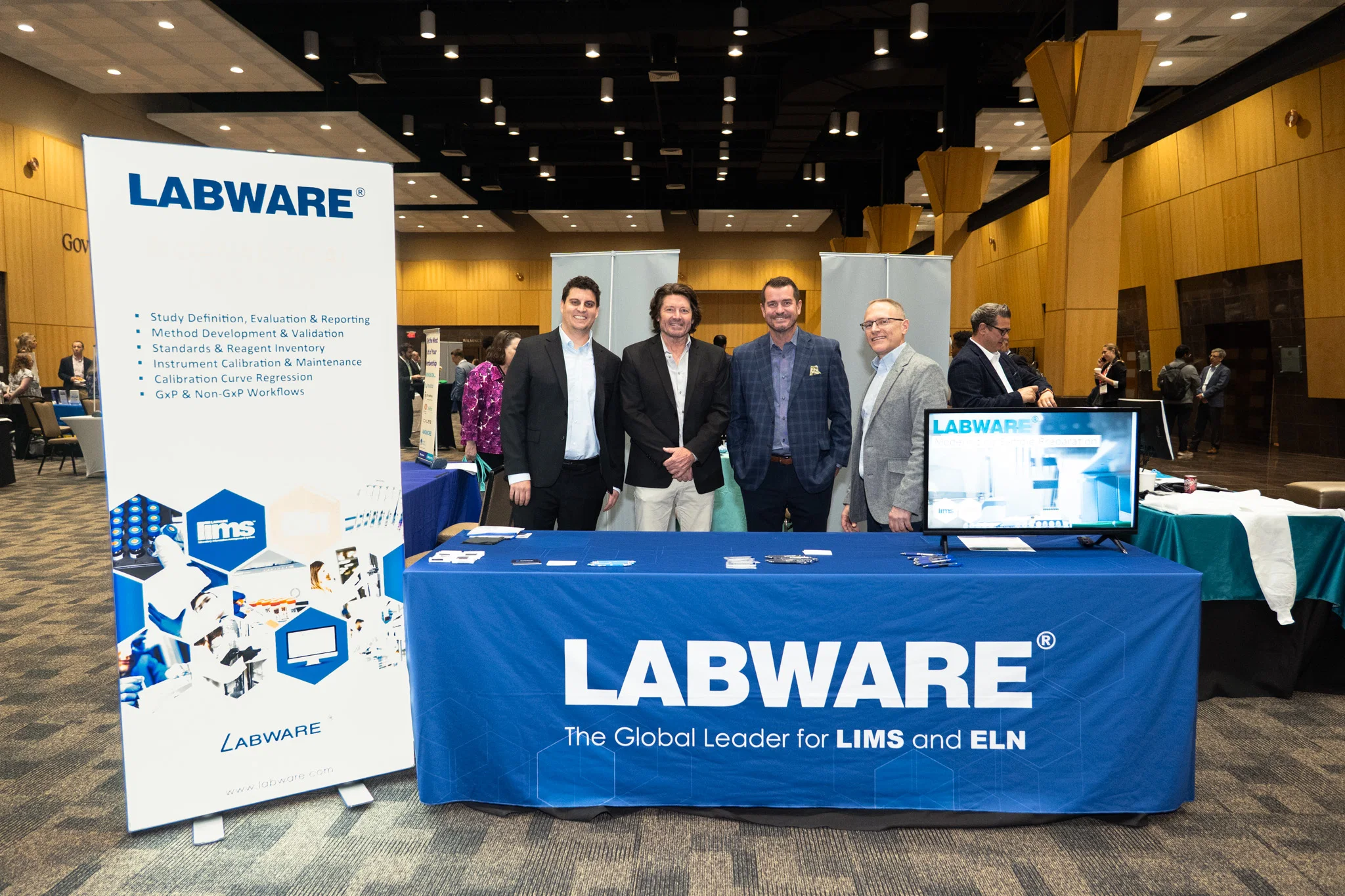
Bioscience and Medtech Event Services planning priorities
Bioscience and Medtech Event Services planning starts by naming the priorities that will affect the room before the schedule gets tight.
Those priorities give the team a clearer way to compare scope, budget, timing, and show-site support without losing the practical details.
- Gowning bench
- Cold chain
- Transfer sheet
Bioscience and Medtech Event Services gowning bench
The gowning bench splits the public path from the technical path.
Once the bench is in place, every handoff has a place to live.
Bioscience and Medtech Event Services cold chain
The cold chain names the item, the handler, and the moment it changed hands.
The release gate is where frozen material becomes movable again.
Bioscience and Medtech Event Services transfer sheet
The transfer sheet keeps the operation honest after the show ends.
Labels, handoffs, and cleanup notes all have to agree.
What drives the Oklahoma City calendar
Oklahoma City runs one of the busiest trade show calendars in the region. Convention weeks stack close together, hotel blocks compete for the same nights, and the venues themselves shape what is possible on the floor.
Trade show weeks in Oklahoma City compress decisions.
The official Hilton property sections say Embassy Suites Norman sits directly off I-35, about 21 miles south of Oklahoma City, with 50,000 square feet of meeting space, which sets the practical ceiling for a booth program working the market.
The official Oklahoma City Convention Center planning material documents 16 loading docks, direct truck-floor access in the exhibit hall, and downtown parking assets around the venue — a useful reference point when sizing a project.
The buildings that host Oklahoma City events
Different Oklahoma City venues mean different floor plans, different labor rules, and different freight realities.
The right building depends on the show: a consumer expo wants open aisles and broad traffic flow; a corporate conference wants controlled breakout space; a brand activation wants a venue that can carry scenic and production without fighting the architecture.
NCED Conference Center and Hotel is one of the anchors.
The Main Ballroom at 9,675 square feet with theater capacity up to 850 and banquet capacity up to 600.
Embassy Suites by Hilton Norman Hotel & Conference Center: the flexible event spaces include a conference center that can host more than 3,000 guests.
Chickasaw Bricktown Ballpark. The venue can support events ranging from 10-person meetings to 10,000-person events.
How Oklahoma City floor operations work
Labor in Oklahoma City runs venue-by-venue, not citywide.
On most Oklahoma City shows, the labor plan takes one call with the venue's exhibitor services desk, one review of the current manual, and one email to the general contractor. Skipping any of those three is usually where problems start.
Scope on a bioscience and medtech event services project
Bioscience and medtech event services projects typically include design work, fabrication or rental sourcing, graphics production, show-service paperwork, freight, install, show-hours coverage, and strike.
Typical line items include booth structure (custom or rental), graphics and print, AV and lighting, show-service orders (power, internet, rigging), labor calls against the venue's rules, freight both ways, on-site supervision, and post-show closeout documentation.
A bad one has many, because they weren't.
For programs that repeat, asset management becomes part of the engagement — storage, graphic rotation, refurbishment, and re-crating are planned rather than one-off.
Out of scope by default are show organizer fees, booth lease costs paid directly to the show, staff travel and per diems, and any custom software or data-capture tooling the client runs on its own stack. Those stay on the client side and plug into the project through coordination, not rebilling.
How a project runs
Every project starts with a scope conversation: the show, the venue, the booth number, the dates, and the budget frame. Ten minutes of specifics produces a better plan than a week of generalities.
Once scope is clear, the venue work begins.
Production brings the plan into physical form: fabrication, graphics, AV, rentals, and the named lead who will run the floor.
One named show-site lead runs the install.
Show-hours coverage is part of every engagement — not a premium add-on. On-floor support keeps the booth running while the client team runs the pipeline.
That document drives the next booking.
What it costs and how fast it moves
An honest quote itemizes the variables. There is not a single price — there is a configuration.
Cost scales with how it is built, how big it is, what the venue charges for its own services, what the graphics look like, how far the crates travel, and how many days the team stays on-site.
Rental programs run on 8 to 12.
How project performance gets measured
A project runs well when install clears the venue's published window, all show services land as ordered, the booth performs across every show day without pulling the client team off pipeline work, and strike clears the dock before the next occupant loads in.
Trade show ROI is measured at the lead and pipeline level.
The post-show debrief is where the numbers get connected back to the physical booth. Which demo station drew traffic, which meeting area closed more conversations, which graphic zone attracted dwell time — that feedback shapes the next build rather than getting lost.
How we're built to run your project
Trade Show Services is Oklahoma City's local trade show team, with in-house design, fabrication, graphics, and show-site crews. One shop, one point of contact, one accountable lead on every project.
Local fabrication means real-time problem-solving. A graphic that needs to be reprinted at 6 a.m.
Clients who run repeat programs across multiple dates end up paying less per event when the same team handles everything. Less re-briefing, less re-training, less re-checking — the operational overhead drops year over year.
Bioscience and Medtech Event Services planning questions
Q: Do you work at Chickasaw Bricktown Ballpark?
Yes.
Q: How much lead time is ideal?
Custom builds run best with 16 to 20 weeks of lead time. Rentals take 8 to 12 weeks.
Q: What information kicks off a project?
The show, the venue, the booth number, the dates, and a target budget range. From those, an initial scope and a realistic cost come back within a few days.
Q: Who runs the booth on-site?
One named show-site lead runs the install, the show hours, and the strike. That person carries the floor plan and the punch list from crates to doors and reports up once a day.
Q: Can the booth travel to the next city on our calendar?
Same structure, swappable graphics, standard crates.
Q: What happens if something breaks during show hours?
The on-site lead handles it.
Bioscience and Medtech Event Services planning frame
Bioscience and Medtech Event Services should help buyers see credible proof quickly, whether the event needs demos, samples, technical conversations, private meetings, or clear follow-up.
For Bioscience and Medtech Event Services, the booth has to respect how that audience evaluates risk, proof, product value, and the next conversation after the event.
Bioscience and Medtech Event Services operating details
The first decisions should name what has to be built or rented, who owns approvals, what the venue needs early, and which parts of the plan can still change without creating avoidable rework.
That keeps the project practical for Oklahoma City metro teams working across convention spaces, fairgrounds buildings, hotels, museums, arenas, and regional meeting corridors.
Bioscience and Medtech Event Services closeout and repeat value
Closeout should leave the client with a clean record of what fit the room, what slowed the work, what should be refreshed, and what can be repeated on the next date.
That record is what turns one successful event into a stronger calendar instead of forcing the team to solve the same problems again.