Booth Types
Modular Trade Show Booths
Modular Trade Show Booths in Oklahoma City should be planned as an operating format, not a label.
The goal is to connect the format to the actual floor plan, support stack, and event outcome so the crew can execute without guessing.
That includes the time the crew needs, the venue path that matters, and the kind of day-of coordination that protects the event from turning into a scramble.
- Venue fit
- Floor behavior
- Support stack
- Execution order
- Repeatability
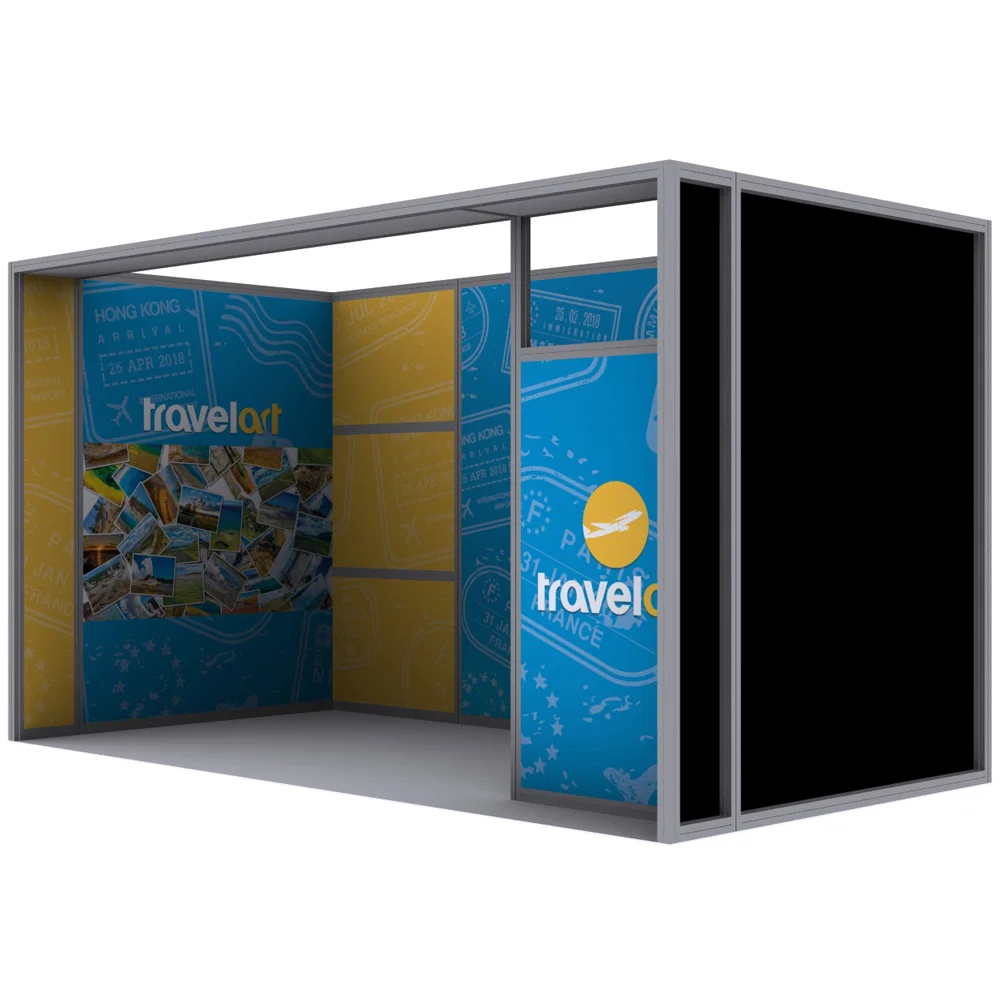
Modular Trade Show Booths planning priorities
Modular Trade Show Booths works best when the project team names the practical priorities early and keeps them visible through production, move-in, live support, and closeout.
These priorities help buyers compare the real operating path instead of relying on broad event language.
- Venue fit
- Floor behavior
- Support stack
- Execution order
- Repeatability
Modular Trade Show Booths planning frame
Booth-type planning for the booths has to account for footprint, frontage, sightlines, storage, visitor flow, structural load, and the way the booth behaves once it is installed on a real show floor. The first planning move is to translate the label into the work the crew will actually perform, because the category only matters if it changes the room, the schedule, or the staffing model in a visible way.
In practice, the booths should be judged by whether it makes the event easier to brief, easier to stage, and easier to keep under control while people are moving through the venue. The event should not only look prepared; it should actually be prepared for the way work behaves once the lights come on and the audience arrives.
Modular Trade Show Booths fit and use case
Booth-type planning for the booths has to account for footprint, frontage, sightlines, storage, visitor flow, structural load, and the way the booth behaves once it is installed on a real show floor. The first planning move is to translate the label into the work the crew will actually perform, because the category only matters if it changes the room, the schedule, or the staffing model in a visible way.
In practice, the booths should be judged by whether it makes the event easier to brief, easier to stage, and easier to keep under control while people are moving through the venue.
Modular Trade Show Booths planning factors
Booth-type planning for the booths has to account for footprint, frontage, sightlines, storage, visitor flow, structural load, and the way the booth behaves once it is installed on a real show floor. The first planning move is to translate the label into the work the crew will actually perform, because the category only matters if it changes the room, the schedule, or the staffing model in a visible way.
In practice, the booths should be judged by whether it makes the event easier to brief, easier to stage, and easier to keep under control while people are moving through the venue. The event should not only look prepared; it should actually be prepared for the way work behaves once the lights come on and the audience arrives.
Modular Trade Show Booths execution and control
Booth-type planning for the booths has to account for footprint, frontage, sightlines, storage, visitor flow, structural load, and the way the booth behaves once it is installed on a real show floor. The first planning move is to translate the label into the work the crew will actually perform, because the category only matters if it changes the room, the schedule, or the staffing model in a visible way.
In practice, the booths should be judged by whether it makes the event easier to brief, easier to stage, and easier to keep under control while people are moving through the venue.
Modular Trade Show Booths staffing and handoff
Booth-type planning for the booths has to account for footprint, frontage, sightlines, storage, visitor flow, structural load, and the way the booth behaves once it is installed on a real show floor. The first planning move is to translate the label into the work the crew will actually perform, because the category only matters if it changes the room, the schedule, or the staffing model in a visible way.
In practice, the booths should be judged by whether it makes the event easier to brief, easier to stage, and easier to keep under control while people are moving through the venue. The event should not only look prepared; it should actually be prepared for the way work behaves once the lights come on and the audience arrives.
Modular Trade Show Booths venue fit
Booth-type planning for the booths has to account for footprint, frontage, sightlines, storage, visitor flow, structural load, and the way the booth behaves once it is installed on a real show floor. The first planning move is to translate the label into the work the crew will actually perform, because the category only matters if it changes the room, the schedule, or the staffing model in a visible way.
In practice, the booths should be judged by whether it makes the event easier to brief, easier to stage, and easier to keep under control while people are moving through the venue.
Modular Trade Show Booths repeatability
Booth-type planning for the booths has to account for footprint, frontage, sightlines, storage, visitor flow, structural load, and the way the booth behaves once it is installed on a real show floor. The first planning move is to translate the label into the work the crew will actually perform, because the category only matters if it changes the room, the schedule, or the staffing model in a visible way.
In practice, the booths should be judged by whether it makes the event easier to brief, easier to stage, and easier to keep under control while people are moving through the venue. The event should not only look prepared; it should actually be prepared for the way work behaves once the lights come on and the audience arrives.
Modular Trade Show Booths next-step planning
Booth-type planning for the booths has to account for footprint, frontage, sightlines, storage, visitor flow, structural load, and the way the booth behaves once it is installed on a real show floor. The first planning move is to translate the label into the work the crew will actually perform, because the category only matters if it changes the room, the schedule, or the staffing model in a visible way.
In practice, the booths should be judged by whether it makes the event easier to brief, easier to stage, and easier to keep under control while people are moving through the venue.
Modular Trade Show Booths venue coordination
This part of the plan should stay tied to the booths instead of drifting into a generic explanation of event support.
A stronger planning note keeps the format legible from the first conversation through the final handoff, which is what makes the plan useful before the room opens.
Modular Trade Show Booths freight and load-in
This part of the plan should stay tied to the booths instead of drifting into a generic explanation of event support.
A stronger planning note keeps the format legible from the first conversation through the final handoff, which is what makes the plan useful before the room opens.
Modular Trade Show Booths graphics and branding
This part of the plan should stay tied to the booths instead of drifting into a generic explanation of event support.
A stronger planning note keeps the format legible from the first conversation through the final handoff, which is what makes the plan useful before the room opens.
Modular Trade Show Booths labor and supervision
This part of the plan should stay tied to the booths instead of drifting into a generic explanation of event support.
A stronger planning note keeps the format legible from the first conversation through the final handoff, which is what makes the plan useful before the room opens.
Modular Trade Show Booths audio visual support
This part of the plan should stay tied to the booths instead of drifting into a generic explanation of event support.
A stronger planning note keeps the format legible from the first conversation through the final handoff, which is what makes the plan useful before the room opens.
Modular Trade Show Booths operational risk
This part of the plan should stay tied to the booths instead of drifting into a generic explanation of event support.
A stronger planning note keeps the format legible from the first conversation through the final handoff, which is what makes the plan useful before the room opens.
Modular Trade Show Booths closeout and reuse
This part of the plan should stay tied to the booths instead of drifting into a generic explanation of event support.
A stronger planning note keeps the format legible from the first conversation through the final handoff, which is what makes the plan useful before the room opens.
Modular Trade Show Booths planning questions
This part of the plan should stay tied to the booths instead of drifting into a generic explanation of event support.
A stronger planning note keeps the format legible from the first conversation through the final handoff, which is what makes the plan useful before the room opens.
Modular Trade Show Booths planning frame
Modular Trade Show Booths depends on footprint discipline, sightline control, staff movement, storage, and a build sequence that fits the venue before the first crate opens.
For Modular Trade Show Booths, the strongest scope keeps design, rentals, labor, technical support, and closeout connected so the client is not left coordinating the hard parts alone.
Modular Trade Show Booths operating details
The first decisions should name what has to be built or rented, who owns approvals, what the venue needs early, and which parts of the plan can still change without creating avoidable rework.
That keeps the project practical for Oklahoma City metro teams working across convention spaces, fairgrounds buildings, hotels, museums, arenas, and regional meeting corridors.
Modular Trade Show Booths closeout and repeat value
Closeout should leave the client with a clean record of what fit the room, what slowed the work, what should be refreshed, and what can be repeated on the next date.
That record is what turns one successful event into a stronger calendar instead of forcing the team to solve the same problems again.
When does modular trade show booths make sense?
It makes sense when the event needs a format with a clear operating pattern, a repeatable setup path, and a planning model that helps the crew move cleanly through venue, freight, and audience decisions.
What should be planned first?
Start with the room, the timing, and the support services that determine whether the format can actually be delivered on site without improvisation.